Friday, June 25, 2021

Emma Amos


Bold mixed-media paintings by a trailblazing artist who challenged society regarding race, gender, and privilege will be showcased in “Emma Amos: Color Odyssey,” on view June 19 through September 12 in the Museum of Art, Munson-Williams-Proctor Arts Institute.

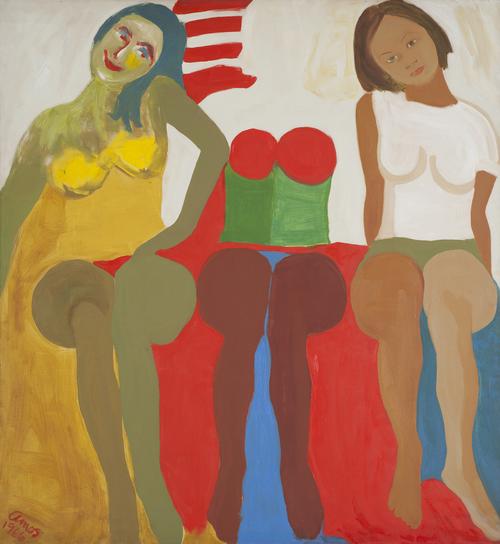
“Emma Amos: Color Odyssey” is a major retrospective of the artist’s distinguished six-decade career. The exhibition features more than 60 artworks Amos created from 1958 to 2015.

Though Amos is best known for her large-scale paintings incorporating African fabrics, she also embraced multiple types of materials, innovative printmaking techniques and photo-transfer, weaving, and collage. Her compositions reveal personal narratives about art, historical figures, and the representation of people of color, particularly women. Amos combined her interests in painting, printmaking, weaving, and collage into vibrant stories that present a layered understanding of what it meant to be a woman and artist of color during the era of Civil Rights and the feminist movements of the past 50 years.

Like many women, especially for women of her generation, Amos kept a demanding schedule as a wife, mother, artist, and art professor, while being a powerful voice for social change. Later in her life, Amos eventually revealed she was a member of the “Guerrilla Girls,” a group of anonymous women artists advocating for parity in the art world through activism and protest. In a 2011 interview, Amos reflected, “It was tough…But I did it, you know. I just felt like it was necessary.”

Amos was interested in art from a young age in her hometown of Atlanta, GA, even though segregation prevented her from being able to fully enjoy and experience the arts in museums and other public “separate-but-equal” spaces. “Emma Amos: Color Odyssey” demonstrates her presence and growth as an artist, and highlights the social change for which Amos fought so vigorously. Amos had an activist’s spirit throughout her career. As a young artist in New York City, she was the only woman in Spiral, a group of Black artists who came together to examine their relationship with art and activism. Amos did not like separating “Black” art from all other art; being Black was a political statement, but she wanted to address various issues including race, gender, class, and power within the art world and in society as a whole. Amos actively fought against male chauvinism in the art world and evolved as a feminist artist sensitive to the nuances of race, age, and class-oriented politics of her time through her teaching at Rutgers University and writing, but most importantly, through her art.
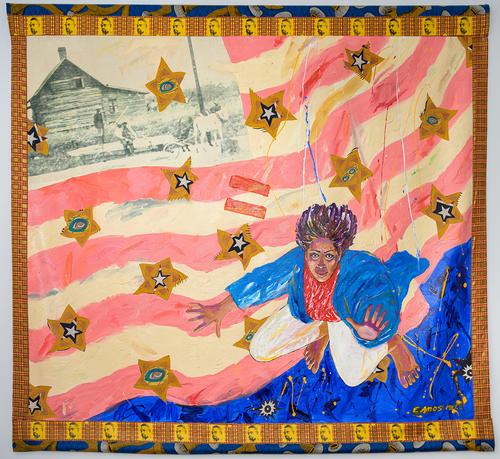
Emma Amos, (American, 1937 - 2020), “Equals,” 1992, Acrylic on linen canvas with African fabric borders, 76 × 82 inches, Private collection.

A companion exhibition, “Call & Response: Collecting African American Art,” on view June 19 through November 28, explores the Munson-Williams Museum of Art’s efforts to diversify its collection during the past 30 years. Included in the exhibition are works by Jean-Michel Basquiat, Romare Bearden, Robert Blackburn, Lorna Simpson, Dread Scott, Kara Walker, and Carrie Mae Weems. “Call & Response” will be interpreted by seven community commenters who will contribute a collection of responses to the art via a multi-media app, using music, personal history, and comparative works of art.

“Emma Amos: Color Odyssey” is organized by Shawnya L. Harris, Larry D. and Brenda A. Thompson Curator of African American and African Diasporic Art, the Georgia Museum of Art, University of Georgia. Remarking on the exhibition, Harris observed, “Amos is one of several Black women artists whose contribution to art history deserves attention and critique. Putting together several decades worth of her work provides a special opportunity to learn more about her career, techniques, and ideas, inviting re-evaluation and new audiences in relation to her artistic progression.” Amos died in May 2020, but her legacy lives on in the art she created and the contributions she made to a better society. 

The Georgia Museum of Art has published a scholarly exhibition catalog to accompany the show, with essays by Harris; Lisa Farrington of Howard University; artist LaToya Ruby Frazier; Laurel Garber, Park Family Assistant Curator of Prints and Drawings at the Philadelphia Museum of Art; artist Kay Walkingstick; and Phoebe Wolfskill, associate professor in the departments of American studies and African American and African Diaspora studies at Indiana University.
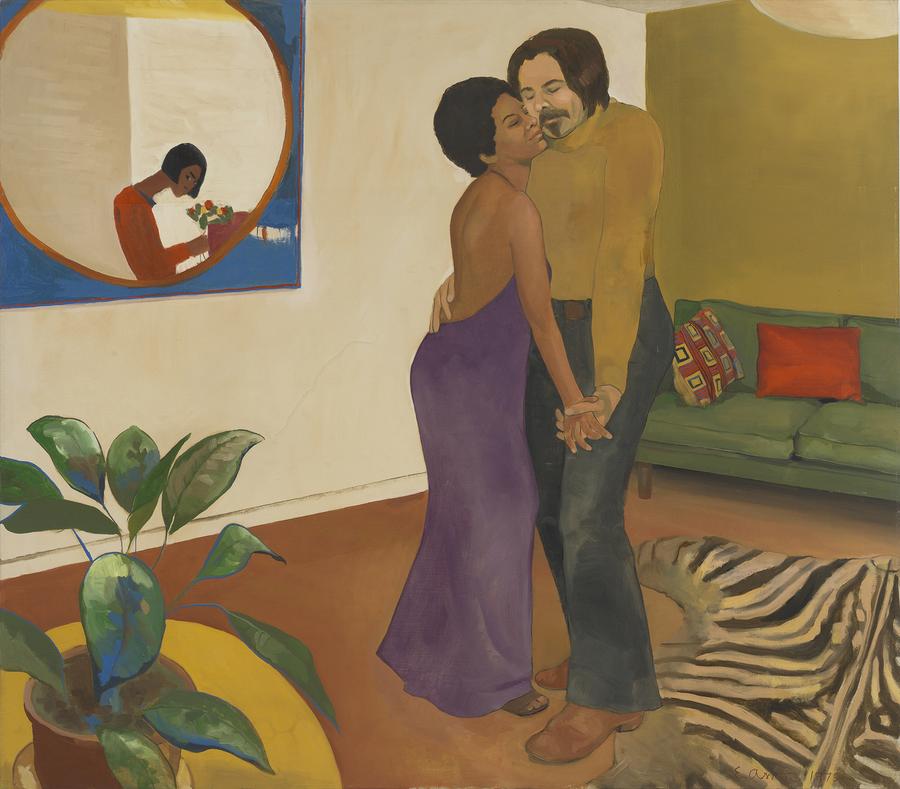
Emma Amos (American, 1937-2020), “Sandy and Her Husband,” 1973, oil on canvas, 44 ¼ x 50 ¼ in., Cleveland Museum of Art, John L. Severance Fund, 2018.24

Exhibition admission is free to Munson-Williams members and SNAP/EBT cardholders. There is also free admission on Sundays for all City of Utica residents. General admission is $12 adults and $6 students. Children 12 and under are free.

“Emma Amos: Color Odyssey” is sponsored by the National Endowment for the Arts, the Willson Center for Humanities and Arts, the W. Newton Morris Charitable Foundation and the Friends of the Georgia Museum of Art.

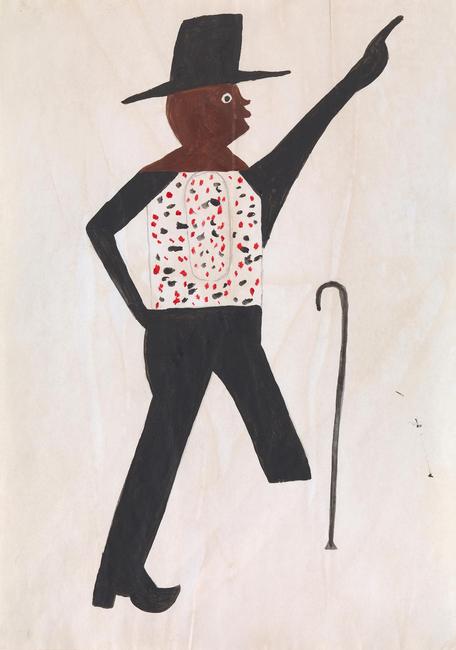
Thursday, May 6, 2021

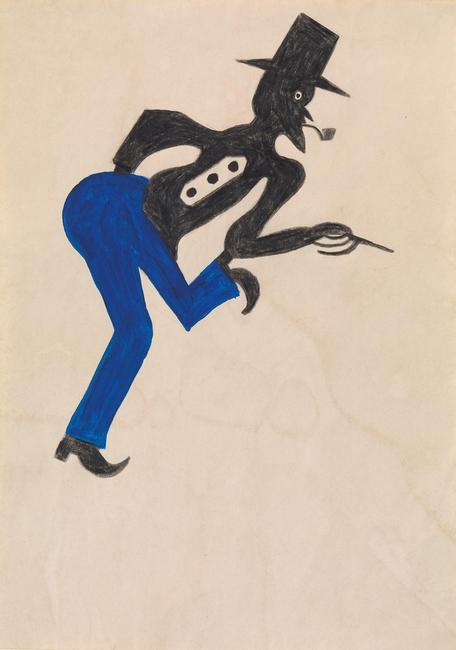
Bill Traylor


Bill Traylor (American, 1853-1949), Nothin’ to Somethin’ – Freedom, undated. Collection of the Virginia Museum of Fine Arts, gift of B.K. Fulton and Jackie Stone
Bill Traylor (American, 1853-1949), Dance, undated. Collection of the Virginia Museum of Fine Arts, gift of B.K. Fulton and Jackie Stone

The Virginia Museum of Fine Arts (VMFA) has announced the gift of nine captivating works on paper created with paint, graphite and colored pencils by the iconic African American artist Bill Traylor. This generous donation is from the collection of B.K. Fulton and Jackie Stone.

“These two groups of artworks are significant additions to VMFA’s collection,” said Alex Nyerges, VMFA’s Director and CEO. “We are striving to expand the museum’s collection of art by African Americans, and Traylor’s work documents the Black experience in the South. We are appreciative of these invaluable additions.”

Bill Traylor was born into slavery in Benton, Alabama in 1853 and spent much of his post-emancipation life as a sharecropper on a plantation. He moved to Montgomery, Alabama in 1928 where at the age of 85, he began creating abstract, stylized drawings of people in his community and of recollections of his past experiences using materials at hand — crayons and paint on discarded cardboard and poster paper. Traylor told unique and complex visual stories through silhouetted figures, animals, plants and symbols. The artist was prolific, producing nearly 1,500 works between 1939 and 1942.

“I am delighted to be able to donate these significant works of art to the Virginia Museum of Fine Arts,” said B.K. Fulton. “My hope is they will shed new light and add more content to our interpretations of the African American South.”

Works from the two series, Dance and Nothin’ to Somethin’ – Freedom, will be on view in VMFA’s upcoming exhibition The Dirty South: Contemporary Art, Material Culture, and the Sonic Impulse.“Traylor is an iconic artist whose works provide a glimpse into the African American South of his day. The multimedia works have their own visual tonality that pulsates with a vibrant energy. They are significant additions to VMFA’s collection,” said exhibition organizer Valerie Cassel Oliver, VMFA’s Sydney and Frances Lewis Family Curator of Modern and Contemporary Art. “This collection of art will also serve as foundational markers that show the influences of such artists in the capturing and shaping of Black southern sensibilities.”

B.K. Fulton and Jackie Stone

On view from May 22 to September 6, 2021, The Dirty Southexplores the aesthetic legacies and traditions of Black culture in the African American South as seen through the lens of contemporary Black musical expression. With more than 140 works of art, the exhibition features an intergenerational group of artists working in a variety of genres from sculpture, painting and drawing to photography and film as well as sound pieces and large-scale installation works. More information about the exhibition The Dirty South: Contemporary Art, Material Culture, and the Sonic Impulse can be found at www.VMFA.museum.

Friday, April 30, 2021

The Kinsey African American Art & History Collection


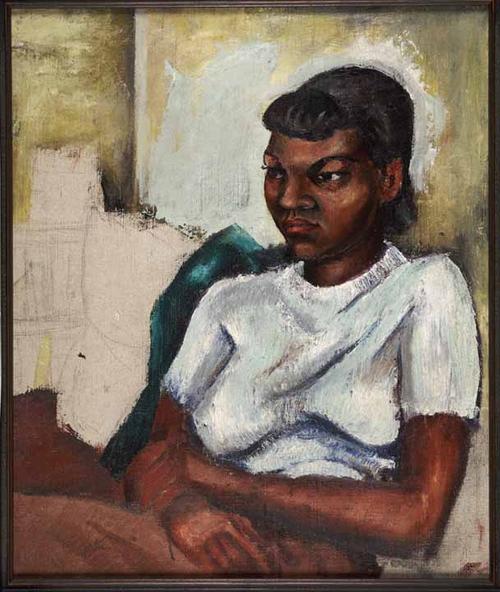
Charles Alston (American 1907-1977), Portrait of Girl, 1940. The Kinsey African American Art & History Collection.

The Gathering Place and Greenwood Cultural Center in Tulsa, Oklahoma, will host artworks from the Kinsey collection, beginning May 22 through June 2021 in the ONEOK Boathouse. The collection then travels to Tacoma Art Museum in Washington this summer.

The widely acclaimed exhibition, The Kinsey African American Art & History Collection, celebrates the achievements and contributions of Black Americans from 1595 to present times. Considered one of the most comprehensive surveys of African American history and culture outside the Smithsonian Institution, the exhibition features over 150 of the shared treasures amassed by Shirley and Bernard Kinsey during their five decades of marriage. The collection includes masterful paintings and sculpture, photographs, rare books, letters, manuscripts and more. The exhibition will run at Tacoma Art Museum (TAM) from July 31 – November 28, 2021.

Garnering national media attention and experienced by more than 15 million people, the groundbreaking exhibition has toured 30 cities in the U.S. and internationally, including the Smithsonian Institution’s National Museum of American History, The National Underground Railroad Freedom Center, EPCOT Walt Disney World, California African American Museum, the Norton Museum of Art, the University of Hong Kong Museum and Gallery, and The African American Museum, Dallas, to name a few. The exhibition has been cited in three national awards, including the National Medal for Museum and Library Service.

Representing the intersection between art and history, the exhibition covers the lives, accomplishments, and artistry of African Americans from the 16th century through the years of slavery and emancipation, to the civil rights movement and modern day. Important examples include bills of sale, advertisements, letters, and legal papers documenting the slave trade; hand-colored tintypes from the Civil War era; art and literature from the Harlem Renaissance; and items spotlighting key moments in the civil rights movement, including the Woolworth store boycotts and the 1963 March on Washington.

Shirley and Bernard Kinsey, Floridians by birth and graduates of Florida A&M University, began collecting to remember their travels. Soon their collection became a repository for African American intellectual, historical, and artistic works. The Kinseys believe their collection helps give a well-rounded look at the African American experience and the integral roles African Americans played in building this country, providing new perspectives on chapters of the nation’s history which have been ignored. The collection is a family affair, with the Kinsey's son Khalil serving as General Manager and Chief Curator.

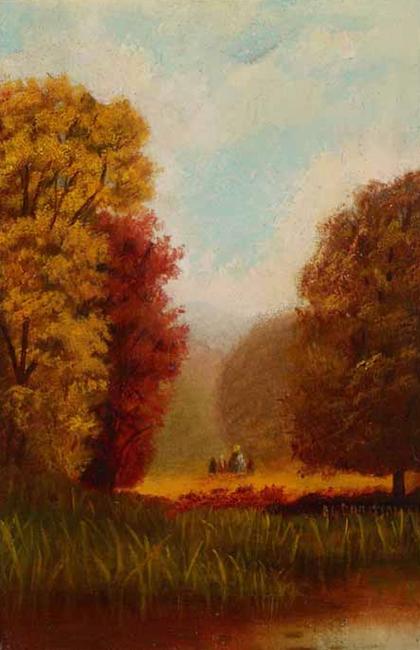
Robert S. Duncanson, (1821-1872) Landscape, Autumn. Circa 1865. The Kinsey African American Art & History Collection.

“The Kinsey Collection strives to give our ancestors a voice, a name, and a personality, enabling the viewer to understand the challenges, obstacles, triumphs, accomplishments and extraordinary sacrifice of African Americans in building this country,” said Bernard Kinsey. Khalil adds, “This is a family story, illustrating what our family has done to tell its story. But it’s also about America. Most people only know half of the story.”

A history of African Americans in art is charted through works by numerous celebrated artists, including Alma Thomas, Romare Bearden, Elizabeth Catlett, Aaron Douglas, Sam Gilliam, Charles White, Augusta Savage, Lois Mailou Jones, Artis Lane, Robert S. Duncanson, and many more.

Other items include the earliest-known Black baptism record and Black marriage record, from 1595; a 1773 first-edition copy of poems by Phillis Wheatley and a copy of the 1857 Dred Scott Decision. Other noteworthy items include an early version of the Emancipation Proclamation; an illustration of the “first colored senator and representatives” in the 41st and 42nd U.S. Congress; a letter from Malcolm X to Alex Haley, author of Roots: The Saga of an American Family; and a signed copy of the Brown vs. Board of Education ruling, a landmark legal decision made in 1954 by the Supreme Court ending school segregation and creating legal barriers to Jim Crow laws.

While this exhibition has been shown in numerous locations covering the Eastern Seaboard, the Midwest, the South, the Mid-South, the Southwest, and the West Coast, this will be the first time the exhibition has been presented in the Pacific Northwest. According to Bernard Kinsey, “Our collection has been front-page news all over the world, from Hong Kong, to Colombia, to Dallas, Texas. It represents an opportunity for people in Washington, Oregon, and Idaho to see books, manuscripts and paintings that they will never have a chance to see again, outside of our nation’s capital."

David F. Setford, TAM’s Executive Director, said, “When I travelled to Dallas in September 2019 to see this exhibition and meet the Kinseys, I was overwhelmed. I was amazed by the power of the documents, and works of art on display, by their ability to tell an untold story, and by the commitment of the Kinseys to share that story. I resolved that we needed to tell this story at TAM. Then, as 2020 rolled in, the relevancy of the choice of this exhibition to our region and to the Museum’s DEIA work became even clearer.”

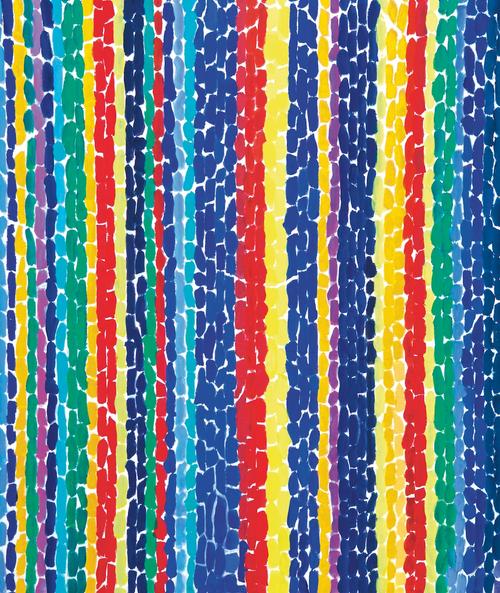
Alma Thomas, (1891-1978) Untitled. The Kinsey African American Art & History Collection.

The exhibition’s presentation at TAM and related community programming is being developed in collaboration with a Kinsey Collection Advisory Committee, comprised of 18 Black leaders, artists, educators, and activists from the greater Tacoma area. Special tours, performances, talks, youth programs, and more will be hosted at TAM and virtually during the exhibition.  Additionally, a richly illustrated book with a foreword by Douglas A. Blackmon, the Pulitzer Prizewinning author of Slavery by Another Name: The Re-Enslavement of Black Americans from the Civil War to World War II, accompanies the exhibition and will be available for sale in the TAM Store along with other items related to the Collection.


Wednesday, April 28, 2021

Nellie Mae Rowe


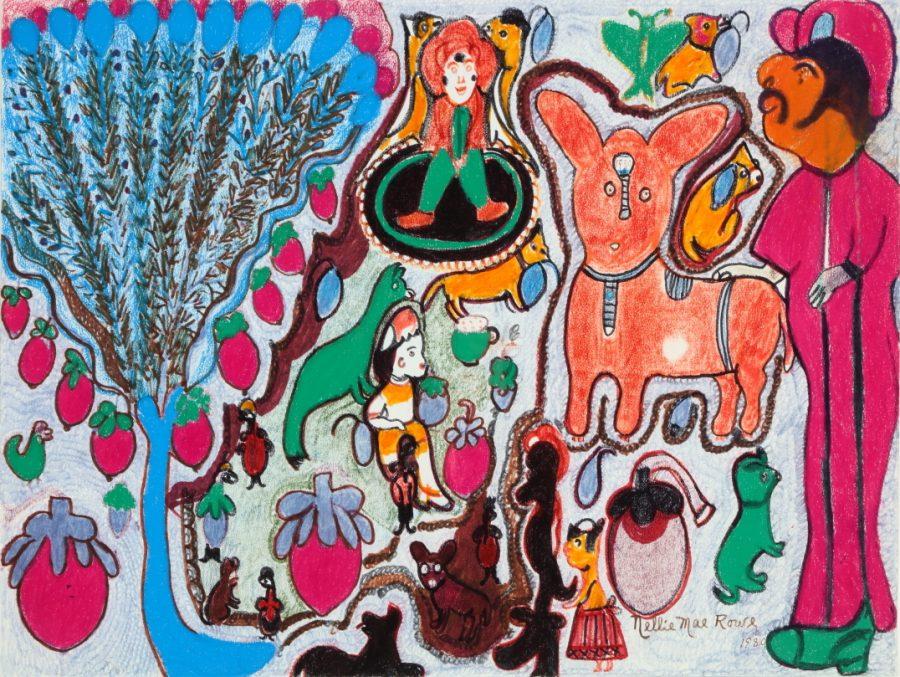
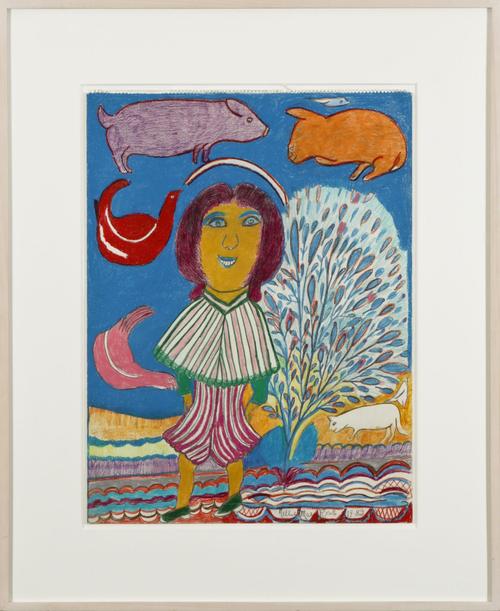
Nellie Mae Rowe, Untitled (Dandy), 1978–1982, crayon and pencil on paper, 24 x 18 inches, gift of Harvie and Charles Abney.
High Museum of Art
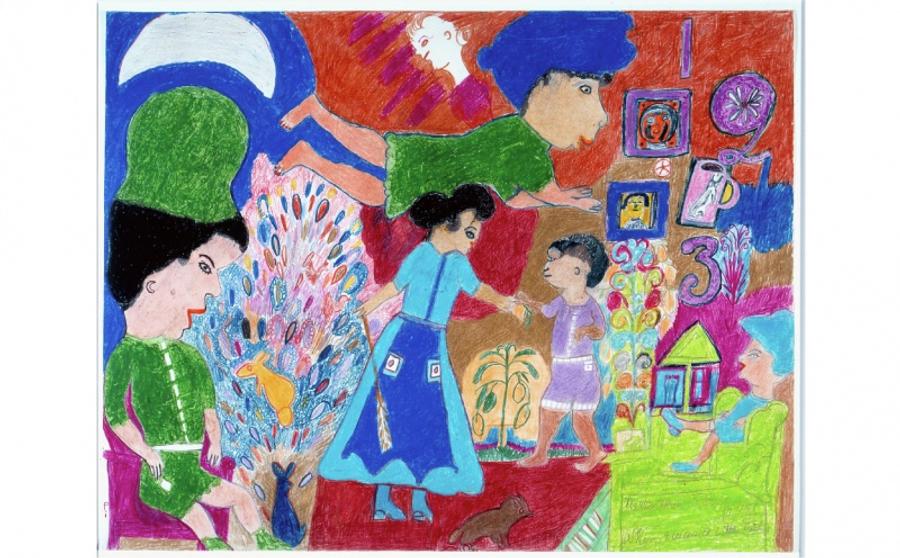
Nellie Mae Rowe (American, 1900-1982), "When I Was a Little Girl," 1978, crayon, marker, colored pencil, and pencil on paper, 19 x 24, inches, High Museum of Art, Atlanta, purchase with Folk Art Acquisition Fund, 2002.73. © 2021 Estate of Nellie Mae Rowe/ARS, NY.
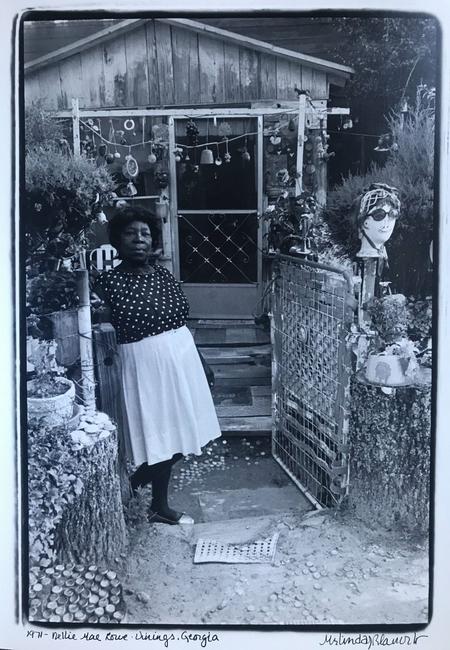
Melinda Blauvelt, Nellie Mae Rowe, Vinings, Georgia 1971, printed 2021, silver gelatin print, 20 x 24 inches, gift of the artist.
High Museum of Art
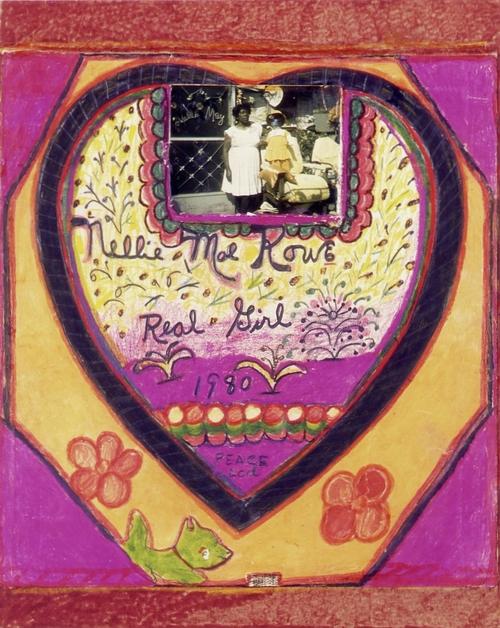
Nellie Mae Rowe, Real Girl, 1980, color photograph, crayon, ink, and pencil on cardboard, 14 x 11 inches, gift of Judith Alexander.
High Museum of Art

This fall, the High Museum of Art will present "Really Free: The Radical Art of Nellie Mae Rowe" (Sept. 3, 2021-Jan. 9, 2022), featuring nearly 60 works drawn from the High Museum’s folk and self-taught art collection, which has the largest public holdings of Rowe’s art. The exhibition chronicles the life and work of Rowe (1900-1982) through her imaginative works on paper and sculptures made from found and experimental materials and an artful reconstruction of her “Playhouse,” the striking art environment she created in her home and yard, which was located on a busy thoroughfare just outside of Atlanta. “Really Free” is the first major presentation of her work in more than 20 years and the first to consider her practice as a radical act of self-expression and liberation in the post-civil rights-era South. The exhibition will be accompanied by an expansive print catalogue and will be the inaugural project featured on the High’s new interactive digital platform to debut this fall. “Really Free” marks the High Museum’s first partnership with the Art Bridges Foundation, an organization dedicated to expanding access to American art, which will allow the exhibition to travel nationally into 2023.

“The High was among the first American museums to establish a department dedicated to self-taught art, and today we hold the foremost collection of work by artists without formal training from the American South, including Nellie Mae Rowe,” said Rand Suffolk, the High’s Nancy and Holcombe T. Green, Jr., director. “We are incredibly proud of this distinction and honored to celebrate Rowe’s life and work through this exhibition. Her art has been a fixture in our collection galleries for decades, and this exhibition allows a much-needed deeper look into her bold artistic production.”

Katherine Jentleson, the High’s Merrie and Dan Boone curator of folk and self-taught art, added, “The exuberant color and imaginative design that characterize so many of Rowe’s drawings—which comprise most of her surviving work—is so aesthetically pleasing that her work is often taken at face value. This show will really explore her drawing practice, tracing its emergence and relationship to the installations of her Playhouse, as well considering the artistic path she blazed for herself as a radical act undertaken at a time when Black, women and self-taught artists struggled for respect and visibility.”

Rowe began making art as a child in rural Fayetteville, Georgia, but only found the time and space to reclaim her artistic practice in the late 1960s, following the deaths of her second husband and members of the family for whom she worked. Although she did not speak much about politics or social movements, she purposefully embraced her creativity and devoted her life to making art during a time when civil rights leaders and Black feminist politicians and artists were igniting great change across the country.

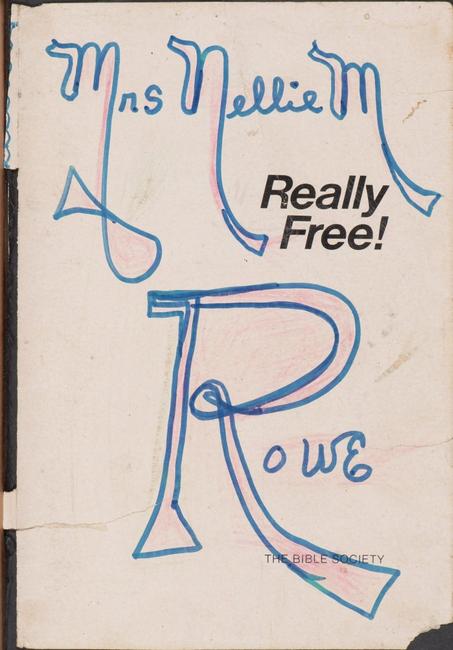
Nellie Mae Rowe, Untitled (Really Free!), 1967–1976, marker and crayon on book page, 5 x 7 ½ inches, gift of Judith Alexander.
High Museum of Art

As she filled it with drawings and sculptures, Rowe’s Playhouse became an Atlanta attraction, which fostered her growing reputation and public reception. She began to exhibit her art outside of her home, beginning with “Missing Pieces: Georgia Folk Art, 1770-1976,” a bicentennial exhibition that brought attention to several Southern self-taught artists, including Rowe and Howard Finster, and traveled to venues throughout Georgia. In 1982, the year she died, Rowe’s work received a new level of acclaim, as she was honored in a solo exhibition at Spelman College and included as one of three women artists in the Corcoran Gallery of Art’s landmark exhibition “Black Folk Art in America: 1930-1980.”

The High began collecting her drawings in 1980. Between 1998 and 2003, major gifts totaling more than 130 works from trailblazing Atlanta art dealer Judith Alexander, a friend and ardent supporter of Rowe, solidified the High’s holdings as the largest public repository of Rowe’s art. Recently, the Museum announced another major gift of 17 drawings by Rowe from Atlantans Harvie and Charles Abney. Selections from this gift, as well as recent gifts and pledges of Rowe’s drawings and photographs of the artist and her Playhouse taken by Lucinda Bunnen and Melinda Blauvelt, will be presented as part of the exhibition.

“Really Free” will feature the colorful, and at times simple, sketches Rowe made on found materials in the 1960s and reveal their relationship to her most celebrated, highly complex compositions on paper of the late 1970s and early 1980s. Other sections of the exhibition will explore themes in Rowe’s work such as depictions of women, her childhood, images of her garden, and her experimentation with materials, including recycling cast-offs to make handmade dolls and chewing gum sculptures. The final galleries will focus on her career breakthrough and ruminations on death and the afterlife.

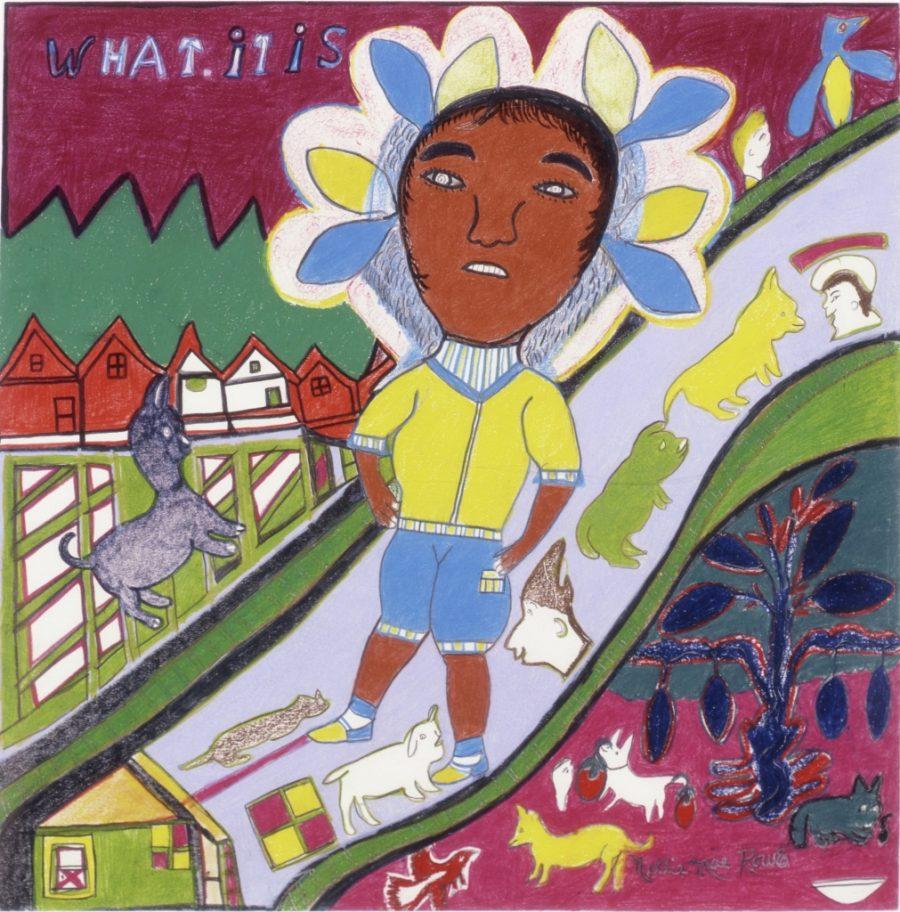
Nellie Mae Rowe, What It Is, 1978–1982, crayon, colored pencil, and pencil on paper, 21 x 21 ¼ inches, gift of Judith Alexander.
High Museum of Art

In addition to works on paper and sculptures, the exhibition will feature photographs as well as components and footage from the experimental film on Rowe’s life to be released by Opendox in 2022, “This World is Not My Own,” which includes an artful reconstruction of her Playhouse. Through these elements, visitors can experience the lively art environment she created in and outside of her home.

“Really Free” will be presented in the lower level of the High’s Wieland Pavilion.

Exhibition Publication
“Really Free: The Radical Art of Nellie Mae Rowe” is accompanied by a fully illustrated catalogue co-published by the High and DelMonico Books that reproduces the High’s vast Rowe collection and features a lead essay by Jentleson with contributions from documentary producer Ruchi Mital, scholar Destinee Filmore and award-winning artist Vanessa German. The High also will publish a suite of online content, including author videos, a virtual tour and additional interpretive material, as part of a new library of collection-focused digital resources that launches with “Really Free.” 

Wednesday, March 31, 2021

Augusta Savage


Great article: 

https://artdaily.cc/news/134379/The-Black-woman-artist-who-crafted-a-life-she-was-told-she-couldn-t-have#.YGTBItXwZoE


Also see 

https://www.nyhistory.org/exhibitions/augusta-savage-renaissance-woman


Organized by guest curator Jeffreen M. Hayes, Ph.D., the Augusta Savage: Renaissance Woman exhibition features nearly 80 works of art, including sculptures, paintings, and works on paper, and is the first to reassess Harlem Renaissance artist Augusta Savage’s contributions to art and cultural history in light of 21st-century attention to the concept of the artist-activist. The fully illustrated companion catalogue presents the most up-to-date scholarly research, re-examines Savage’s place in the history of American sculpture and positions her as a leading figure who broke down the barriers she and her students encountered while seeking to participate fully in the art world.  

A gifted sculptor, Savage (1892 - 1962) was born in Green Cove Springs and later became a significant teacher, leader, and catalyst for change. Overcoming poverty, racism, and sexual discrimination, Savage became one of this country’s most influential artists of the 20th century, playing an instrumental role in the development of some of the most celebrated African American artists, including: Charles Alston, William Artis, Romare Bearden, Robert Blackburn, Selma Burke, Ernest Crichlow, Gwendolyn Knight, Jacob Lawrence, Norman Lewis, and Morgan and Marvin Smith, whose works are also included in the exhibition. A prodigious and highly acclaimed artist in her own right, Augusta Savage created works that elevated images of black culture into mainstream America. A central figure in the Harlem Renaissance, she worked with other leaders, writers, musicians, and artists to showcase the contributions of African American culture. As a community organizer and teacher, Savage created a bridge between the first generation of Harlem Renaissance artists and subsequent generations of artists.

Through this exhibition, the Museum will highlight the artistic, social, and historic impact of Augusta Savage who, despite how she transformed the artistic landscape, is deserving of greater national appreciation. 

Augusta Savage, The Harp, 1939, bronze, 10¾ x 9½ x 4 inches. University of North Florida, Thomas G. Carpenter Library, Special Collections and Archives, Eartha M. M. White Collection.

Today, Savage is best known for Lift Every Voice and Sing (formerly known as The Harp), her commissioned sculpture for the 1939 World’s Fair, and is recognized in Black community as an educator and an important community leader. However, Savage’s artistic skill was widely acclaimed nationally and internationally during her lifetime, and a further examination of her artistic legacy is long overdue. 

Andrew Herman, Augusta Savage with Her Sculpture “Realization,” 1938, Federal Art Project, Works Progress Administration, gelatin silver print, 10 x 8 inches. Schomburg Center for Research in Black Culture, NYPL, Photographs and Prints Division, Astor, Lenox and Tilden Foundations, 86-0036.


This exhibition will introduce Savage as a pioneering artist and community organizer who helped shape artistic movements that changed the way artists represent the Black figure, using art as a form of activism. This exhibition has received support from the National Endowment for the Arts and the Sotheby’s Prize and was on view between October 12, 2018 to April 7, 2019.


Addthis Share Tools

"Gamin"
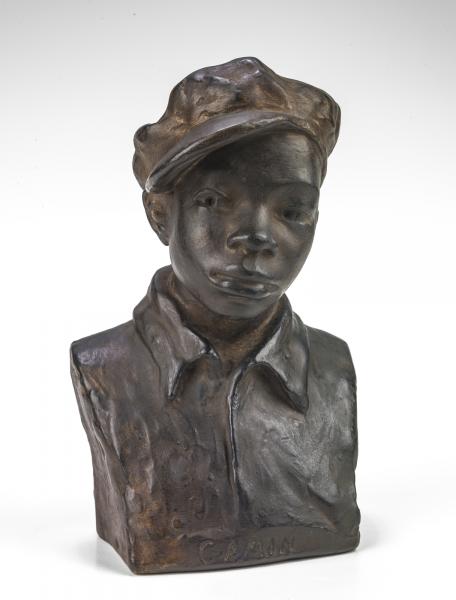
“Gamin,” ca. 1929, by Augusta Savage. Smithsonian American Art Museum. Gift of Benjamin and Olya Margolin.

This sculpture, “Gamin,” was created by Augusta Savage (1892–1962) early in her career. It was based on her nephew, Ellis Ford. The French word gamin means ​“street urchin,” and the figure’s wrinkled shirt and cap emphasize his impoverished appearance. The child’s expression suggests a life of hardship and wisdom beyond his years.


Savage’s career was fostered by the climate of the Harlem Renaissance in New York City. She was a sculptor, influential teacher, and community art program director. In 1934, she became the first African American member of the National Association of Women Painters and Sculptors. Dedicated to expanding educational and professional opportunities for African American artists, she founded the Savage Studio of Arts and Crafts in Harlem, which was later developed into the Works Progress Administration’s Harlem Community Art Center, where she was its first director.

Savage believed that teaching others was far more important than creating art herself and explained her motivation in an interview: ​“If I can inspire one of these youngsters to develop the talent I know they possess, then my monument will be in their work. No one could ask for more than that.”

“Gamin” is in the collection of the Smithsonian American Art Museum. Read more about Savage and this sculpture on the museum’s website and at Oh Freedom! Teaching Art and the Civil Rights Movement, an education resource and collaboration between the museum and the Smithsonian’s National Museum of African American History and Culture. View a photo of Savage in the collection of the Smithsonian’s American Archives of Art.


This is a timely, visual, exploration of the fascinating life and lasting legacy of sculptor Augusta Savage (1892-1962), who overcame poverty, racism, and sexual discrimination to become one of America's most influential twentieth-century artists. Her story is one of community-building, activism, and art education.

Born just outside Jacksonville, Florida, Savage left the South to pursue new opportunities and opened a studio in Harlem, New York City, offering free art classes. She co-founded the Harlem Artists’ Guild in 1935 and became the first director of the federally-supported Harlem Community Art Center. Through her leadership there, Savage played an instrumental role in the development of many artists: William Artis, Gwendolyn Knight, Gwendolyn Bennett, Norman Lewis, Jacob Lawrence, Robert Blackburn, Romare Bearden, among many others.

This ground-breaking volume features fifty works by Savage, and those she mentored or influenced, as well as correspondence and period photographs.

Monday, March 15, 2021

Major Gift Celebrating Black American Artists of the 20th Century


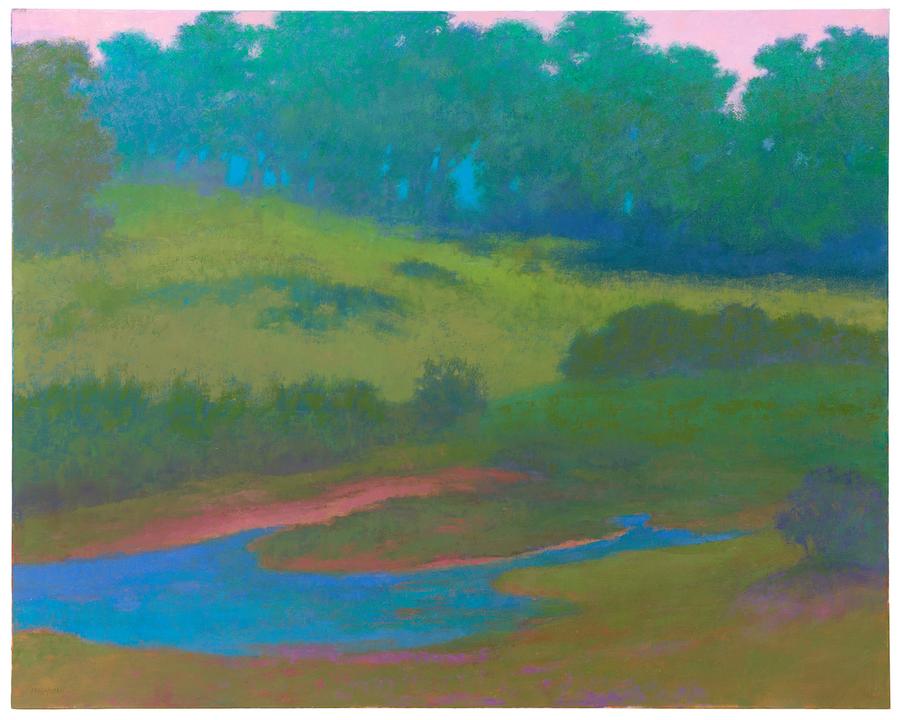
Richard Mayhew, Overture, 2001; San Francisco Museum of Modern Art, gift of the Joyner/Giuffrida Collection; © Richard Mayhew; photo: Katherine Du Tiel, courtesy SFMOMA
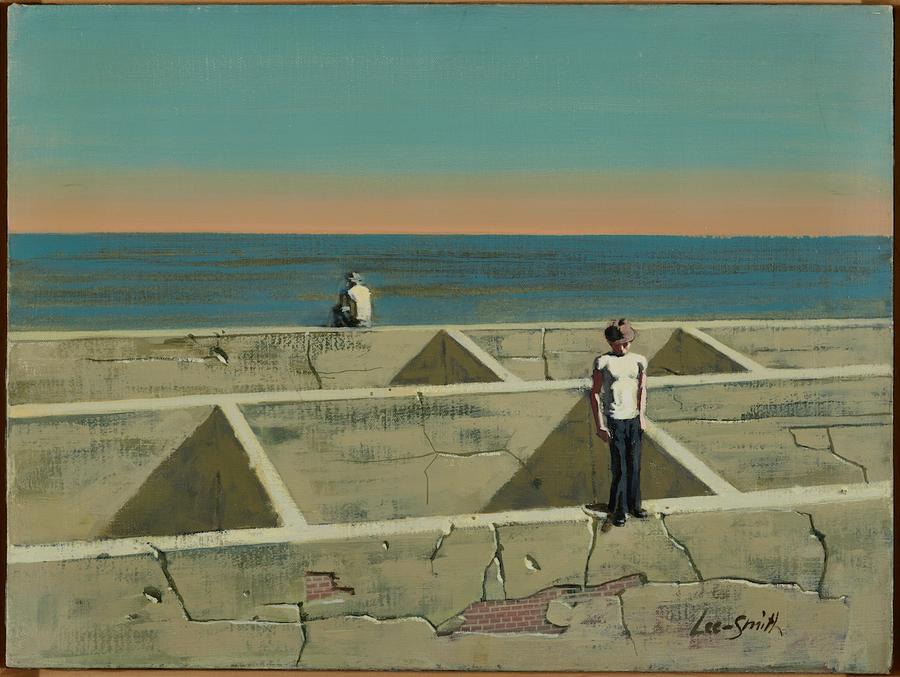
Hughie Lee-Smith, Two Boys, 1968; San Francisco Museum of Modern Art, gift of the Joyner/Giuffrida Collection; © Estate of Hughie Lee-Smith/ARS (Artist Rights Society), New York; photo: Ian Reeves
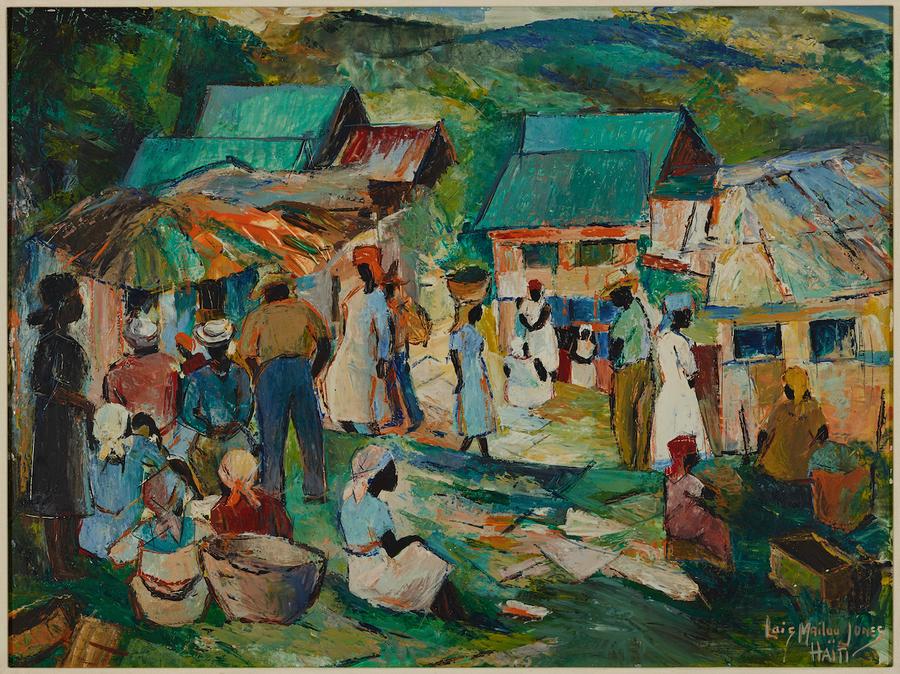
Loïs Mailou Jones, Peasants at Kenscoff, 1955; San Francisco Museum of Modern Art, gift of the Joyner/Giuffrida Collection; © Estate of Loïs Mailou Jones; photo: Ian Reeves
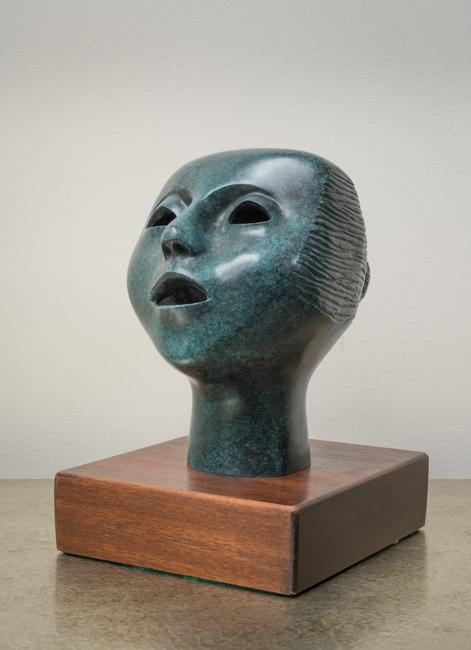
Elizabeth Catlett, Singing Head, 1968; San Francisco Museum of Modern Art, gift of the Joyner/Giuffrida Collection; © Catlett Mora Family Trust / Licensed by VAGA at Artists Rights Society (ARS); photo: David Heald
Richard Mayhew, Perennial Sentinel, 2000; San Francisco Museum of Modern Art, gift of the Joyner/Giuffrida Collection; © Richard Mayhew; photo: Katherine Du Tiel, courtesy SFMOMA
Pamela J. Joyner. © DREW ALTIZER/COURTESY SFMOMA

The San Francisco Museum of Modern Art (SFMOMA) has announced a major gift of 31 paintings, sculptures and drawings by 20 American artists from the Pamela J. Joyner and Alfred J. Giuffrida Collection—celebrated for its intergenerational holdings of abstract art of the African diaspora. The addition of important historical works by Elizabeth Catlett, Beauford Delaney, Norman Lewis and Richard Mayhew, among many others, has inspired a reexamination of SFMOMA’s permanent collection and is having a transformative impact on its galleries.

The extraordinary gift enables SFMOMA to feature a broader range of artists’ contributions to key modernist movements, and to explore their extensive social networks and associations in cities across the United States and abroad. This group of works plays a foundational part in the museum’s long-term goals to present the history of American art through multiple perspectives and voices, and in dialogue with wider international contexts. In addition to adding new artists and stories to the museum’s holdings, the Joyner/Giuffrida Gift provides an opportunity to reimagine SFMOMA’s permanent collection from the inside out.

“We are thrilled by this generous and transformative gift to SFMOMA and inspired by Pamela and Fred’s more than two decades of outstanding collecting and advocacy for Black artists,” said Neal Benezra, Helen and Charles Schwab Director of SFMOMA. “These important works strengthen the museum’s collection in critical ways and allow us to present a richer, more expansive picture of art history.”

“This group of artists was written out of mid-century modernist history only because they were Black. What I want visitors to take away is that there were people of color not only working in the field, but defining the character of the movement at that time,” said Pamela J. Joyner. “SFMOMA is playing a major role by contextualizing these works where they always should have hung. That is a major rewriting of art history to tell the whole story.”

Joyner, a collector for many years and an SFMOMA trustee since January 2020, worked with former Elise S. Haas Senior Curator of Painting and Sculpture Gary Garrels to carefully select pieces to fill in historical gaps. The gift helps propel forward other recent efforts SFMOMA has made to diversify its collection, such as the establishment of the Peggy Guggenheim Fund in 2019. Furthering those efforts, “the gift shows us the stories we missed, holds up a fresh lens to the stories we’ve been telling and points our acquisition strategy in new directions,” said Sarah Roberts, Andrew W. Mellon Curator and Head of Painting and Sculpture, who is working with Joyner and Giuffrida on the installation and interpretation of the gift.


Wednesday, February 24, 2021

Black Women Artists from the Tubman Museum Collection


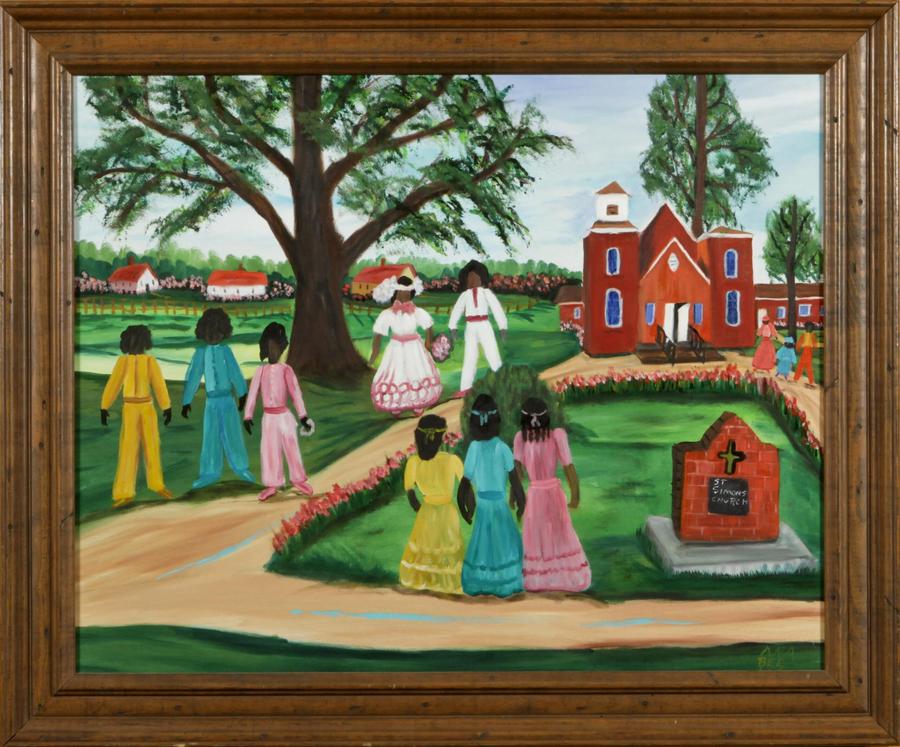
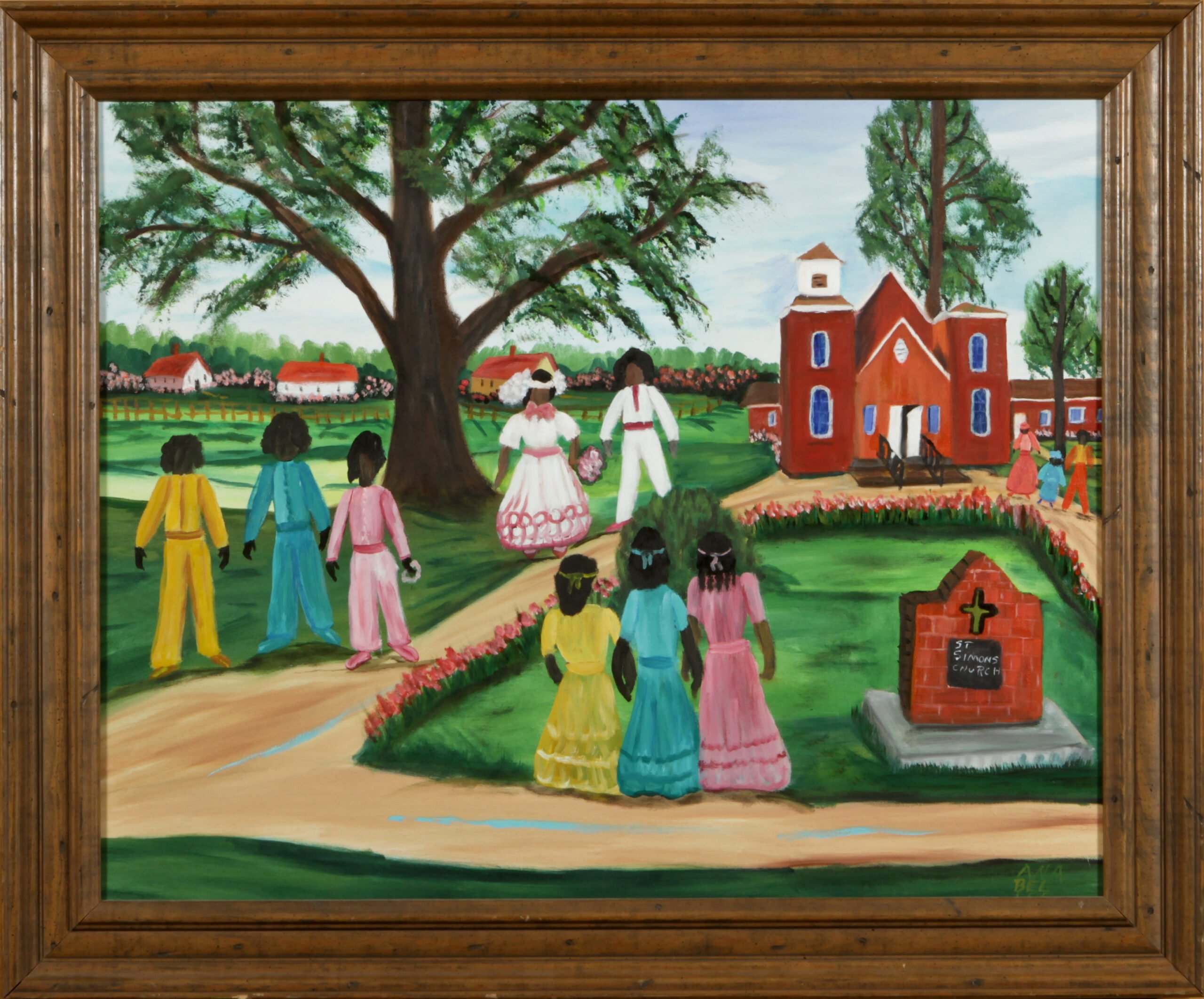
Ana Bel Lee (1926 – 2000) Wedding.
Tubman Museum

On March 5, 2021, the Tubman Museum will open an exhibition titled A Mighty Chorus: Black Women Artists from the Tubman Museum Collection.  The exhibit will feature works by local African American women artists from the Tubman museum collection with a special focus on the works of Nellie Mae Rowe and Anna Belle Lee Washington, also known as Ana Bel Lee.

After the death of her second husband in 1948, Nellie Mae Rowe (1900 – 1982) spent the rest of her life creating an extensive and important collection of art.  She transformed her home in the Vinings neighborhood of Atlanta, Georgia into what she called her “playhouse.” The house was decorated on the inside with boldly colorful drawings illustrating her personal mythology.  The outside of the home was decorated with objects hung from the trees and fences.  Rowe also expressed her creativity by making stuffed dolls, one of which she named ‘Little Nellie.” Rowe completed the work Nellie in Heaven shortly before her death in 1982.  A devout Christian, Rowe attributed her prolific talent to God.

Nellie Mae Rowe (1900 – 1982) Nellie in Heaven.
Tubman Museum

Ana Bel Lee (1926 – 2000) was a self-taught painter who lived and worked on St. Simons Island off the Georgia coast.  Ana Bel Lee was born Anna Belle Lee Washington in Detroit, Michigan.  She was a social worker for 39 years.  She retired in 1984 and moved to the Georgia Sea Islands, where she took up painting.  Lee volunteered and studied painting at the Coastal Center for the Arts.  She had her first gallery show in 1985.  Her popularity increased in 1991 after her work was featured in a documentary produced by Georgia Public Television.  Her paintings often featured faceless subjects and depicted the history and culture of the island’s African American inhabitants.  Though sought after by collectors, Ana Bel Lee’s works were removed from the art market after her death in 2000.

Lee’s works in this exhibition are the newest additions to the Tubman Museum collection.  The works were donated to the museum by Mrs. Pamela Dice of Jessup, Georgia in honor of her brother, Mr. Paul Carter.  Carter was an art collector with a sizeable collection of works by Lee.  In addition to Lee and Nellie Mae Rowe, the exhibition will also include works by Beverly Buchanan, Mildred Thompson, Stephanie Jackson, and other local female artists in the Tubman collection.  A Mighty Chorus will remain on view in the BB&T Gallery of the museum through April 3, 2021.